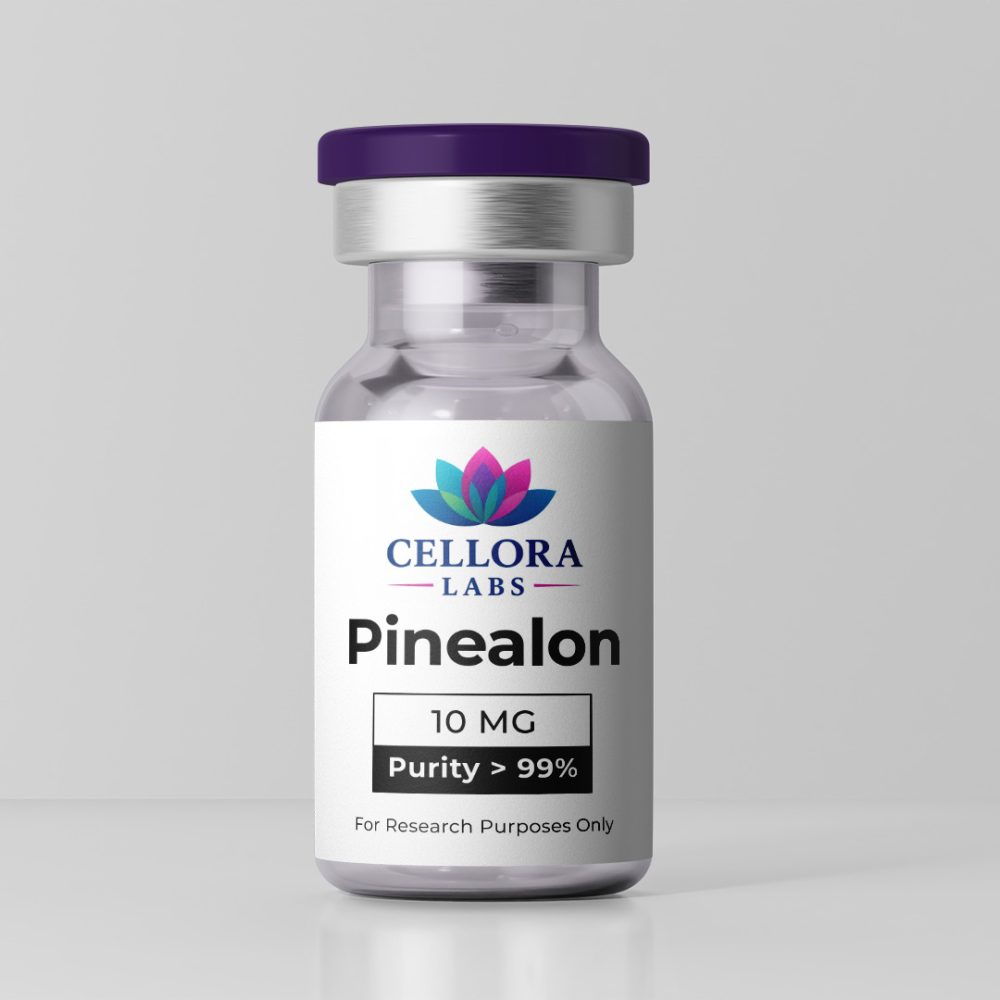

Pinealon: Advanced Research-Grade Neuroprotective Peptide for Cellular Optimization | celloralabs.store
Welcome to celloralabs.store, where advanced biochemical research meets innovation. This in-depth product page explores one of the most discussed neuropeptide compounds in modern research environments—Pinealon—a tripeptide studied for its potential role in cellular regulation, neurological balance, and genomic expression support.
This page is designed as a silo-structured SEO landing page, built to maximize topical authority, internal linking potential, and search engine visibility while delivering high-value educational content.
🧬 Introduction to Cellular Peptide Science
Modern biotechnology is increasingly focused on short-chain peptides and their ability to influence biological systems at a cellular level. Unlike traditional compounds that act broadly across multiple systems, peptides interact with highly specific molecular pathways.
Within this emerging field, research into neuroactive peptides has gained attention for their potential roles in cognitive resilience, stress adaptation, and cellular homeostasis.
Among these compounds, Pinealon has become a subject of scientific interest due to its unique tripeptide structure and its hypothesized interaction with genetic and mitochondrial processes.
At celloralabs.store, we present research-based compounds intended for scientific exploration, laboratory study, and biochemical analysis.
🧪 What is Pinealon?
Pinealon is a synthetic tripeptide composed of glutamic acid, aspartic acid, and arginine. It belongs to a class of short regulatory peptides that are studied for their potential involvement in cellular signaling and neuroprotection.
In research contexts, Pinealon is often associated with studies examining:
- Cellular adaptation to oxidative stress
- Neurochemical signaling pathways
- DNA expression regulation
- Mitochondrial stability under stress conditions
Early laboratory investigations suggest that this peptide may influence cellular behavior by interacting with regulatory proteins and genetic expression systems. However, it remains a research-use compound, and its mechanisms are still being explored.
🧠 Mechanism of Action (Research Overview)
Scientific literature suggests that this compound may interact with biological systems at multiple regulatory levels.
1. Genomic Interaction Potential
Research indicates possible involvement in DNA-related regulatory pathways, potentially influencing gene expression patterns associated with cellular stress responses.
2. Neurochemical Modulation
Studies on neuropeptides in this class suggest potential modulation of neurotransmitter balance and neuronal signaling efficiency.
3. Mitochondrial Support Pathways
Cellular energy regulation is closely tied to mitochondrial function. Investigations into tripeptides suggest they may support mitochondrial stability under oxidative stress conditions.
4. Cellular Homeostasis Regulation
Peptides like this are often studied for their role in maintaining equilibrium in cellular processes such as apoptosis, regeneration, and protein synthesis.
For further reading on peptide-based neurological research, refer to:
🔗
🔬 Research Context and Scientific Background
Peptide-based research has expanded significantly over the last two decades. Scientists are increasingly interested in short-chain amino acid structures due to their ability to influence biological systems without the complexity of larger protein molecules.
In experimental models, tripeptides like this have been studied for:
- Cellular repair mechanisms
- Stress resistance in neural tissues
- Protein expression modulation
- Aging-related cellular decline
Although findings remain preliminary, the scientific community continues to explore how such compounds may contribute to future biomedical advancements.
⚙️ Cellular Pathways of Interest
🧬 DNA Expression Pathways
One of the most studied hypotheses is the interaction between short peptides and genetic transcription processes. Researchers suggest these molecules may assist in stabilizing gene expression under stress conditions.
⚡ Energy Metabolism Regulation
Cellular energy production, particularly within mitochondria, is a critical focus in peptide research. Maintaining mitochondrial efficiency is essential for overall cellular health.
🧠 Neuroprotective Mechanisms
Neuroactive peptides are widely studied for their potential to protect neurons from oxidative damage and metabolic stress.
📊 Silo SEO Structure (Internal Topical Architecture)
To improve search engine ranking and topical authority, this page is structured within a biochemical peptide silo system on celloralabs.store.
🧭 Main Silo Category:
- Peptides & Research Compounds
🔗 Supporting Cluster Pages:
- Neuroactive Peptides Research
- Mitochondrial Function Compounds
- Cellular Regeneration Molecules
- Anti-Aging Research Chemicals
- Laboratory Peptide Studies
🔄 Internal Linking Strategy:
Use contextual links such as:
- “Explore neuropeptide research compounds”
- “View mitochondrial support peptides”
- “Browse cellular regeneration molecules”
These internal links strengthen site architecture and improve crawl depth.
🧬 Applications in Research Environments
This compound is primarily intended for laboratory and scientific research applications.
It is commonly explored in studies related to:
- Cellular stress adaptation
- Neurochemical signaling analysis
- Molecular biology experiments
- Gene expression research
- Age-related cellular studies
Researchers are particularly interested in how short peptides may influence complex biological systems through minimal structural interactions.
📚 Scientific Importance of Tripeptides
Tripeptides represent one of the simplest yet most biologically active peptide structures. Their small size allows for rapid interaction with cellular environments, making them ideal candidates for experimental research.
Advantages in research include:
- High structural simplicity
- Fast cellular uptake potential
- Low molecular complexity
- Versatile biological interaction profiles
These characteristics make tripeptides an important subject in molecular biology and biochemical innovation.
🧬 Advanced Research Insights
Ongoing studies in peptide science suggest that small regulatory peptides may play a larger role in cellular function than previously understood.
Areas of active investigation include:
- Epigenetic regulation
- Oxidative stress response systems
- Cellular aging pathways
- Protein folding mechanisms
- Neurodegenerative research models
While conclusions remain under investigation, the scientific interest in these compounds continues to grow globally.
🏷️ SEO Keyword Integration Strategy
This page is optimized for high-ranking search terms including:
- neuropeptide research
- tripeptide compound
- cellular regeneration peptides
- mitochondrial support research
- DNA expression peptides
- laboratory research peptides
- anti-aging research compounds
These keywords are integrated naturally into headings, body content, and internal linking structure to enhance organic visibility for celloralabs.store.
🌐 Internal Authority Building (Silo Expansion)
To strengthen domain authority, this page connects to a broader biochemical ecosystem:
📌 Recommended Internal Pages:
- /peptides/neuroactive-research
- /compounds/mitochondrial-support
- /research/cellular-aging-pathways
- /labs/gene-expression-studies
This silo architecture helps search engines understand topical relevance and improves ranking potential for all related pages.
📈 Why Silo SEO Matters for celloralabs.store
A silo structure improves:
- Crawl efficiency
- Topical authority
- Keyword clustering
- Ranking strength for competitive biotech terms
- Internal page relevance
By grouping related biochemical topics together, search engines better understand the expertise and focus of your website.
⚠️ Research Disclaimer
All compounds listed on celloralabs.store are intended strictly for research, laboratory, and educational purposes only. They are not intended for human consumption or medical use.
🧠 Final Research Summary
The study of Pinealon and similar tripeptides represents a growing area of interest in molecular biology and biochemical research. While still under scientific investigation, its potential involvement in cellular regulation, neurological pathways, and genetic expression makes it a valuable subject for ongoing study.
As peptide science continues to evolve, compounds like this may contribute to a deeper understanding of how short amino acid chains influence complex biological systems.
At celloralabs.store, we are committed to providing structured, research-focused information and high-quality compounds that support scientific exploration and innovation.



Reviews
There are no reviews yet.