
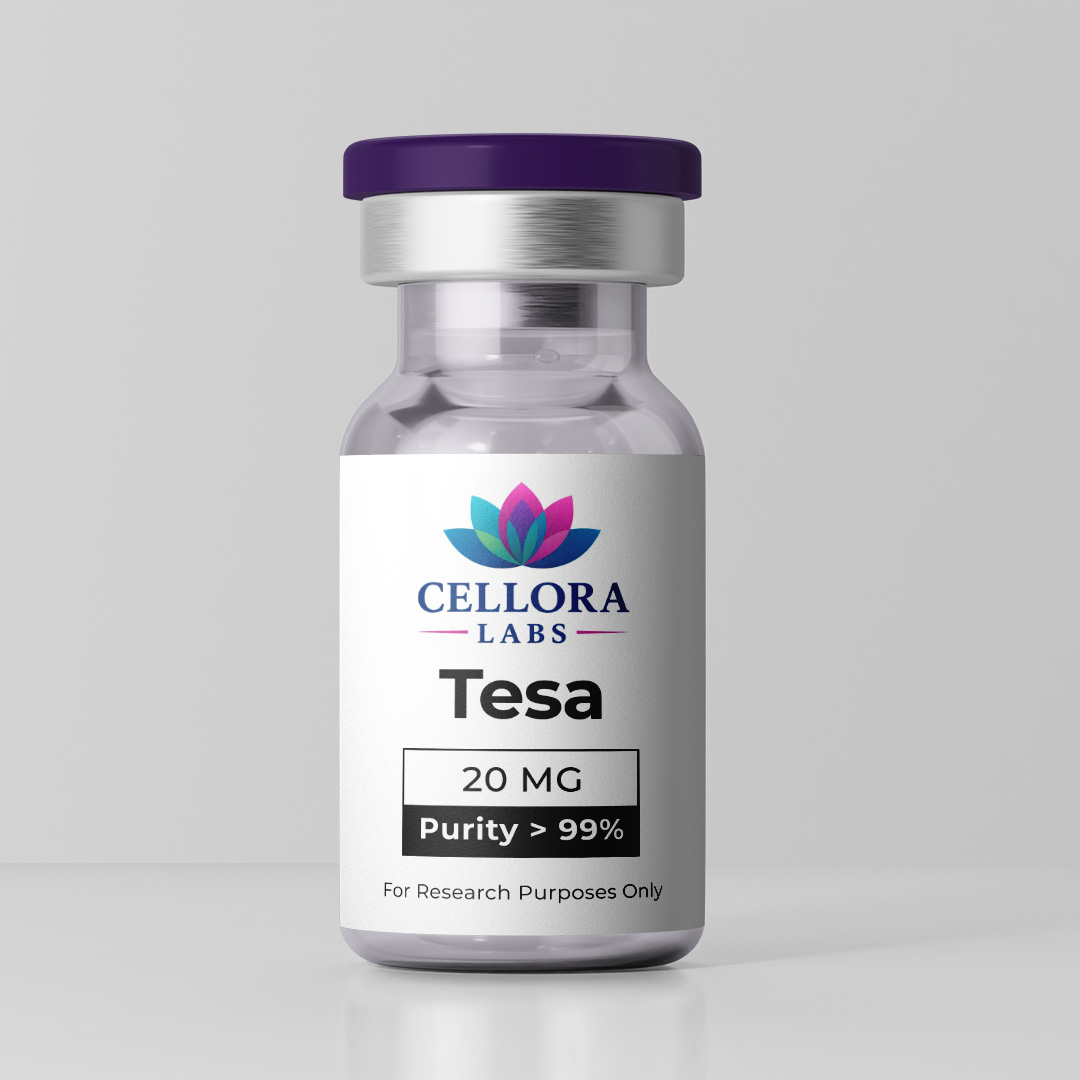
Tesa-20mg: Advanced Research Peptide for Metabolic & Regenerative Science | celloralabs.store
Welcome to celloralabs.store, where advanced biochemical research meets precision, purity, and innovation. This page provides a deep, structured, and SEO-optimized overview of Tesa-20mg, a research compound widely studied for its role in metabolic regulation, growth hormone pathways, body composition research, and cellular recovery mechanisms.
This content is designed for educational and research purposes only, supporting scientific understanding of peptide-based compounds and their role in modern biotechnology.
1. Introduction to Advanced Peptide Science
Peptides have become one of the most studied categories in modern biochemical research due to their ability to interact with biological signaling pathways in highly specific ways. Unlike traditional compounds that may broadly affect multiple systems, peptides are short chains of amino acids designed to mimic natural biological processes.
Within this evolving field, metabolic and regenerative peptides have gained attention for their potential role in:
- Cellular repair pathways
- Energy metabolism regulation
- Tissue regeneration research
- Hormonal signaling studies
- Age-related biological decline models
Among these research compounds, Tesa-20mg is frequently referenced in scientific discussions exploring growth hormone secretagogue pathways and metabolic optimization mechanisms.
At celloralabs.store, our focus is on providing access to carefully selected research compounds that align with scientific integrity, purity standards, and modern laboratory research needs.
2. What is Tesa-20mg?
Tesa-20mg is a synthetic peptide compound studied for its interaction with growth hormone-releasing pathways, particularly in relation to growth hormone secretagogue receptor (GHS-R1a) activity. It is structurally designed to mimic naturally occurring growth hormone-releasing mechanisms in the body.
In research settings, this compound is often analyzed for its potential influence on:
- Growth hormone release signaling
- Fat metabolism pathways
- Lean tissue preservation models
- Cellular regeneration and repair cycles
- Endocrine system feedback regulation
The interest in Tesa-20mg stems from its ability to support scientific exploration into how the body regulates growth hormone secretion and how these pathways influence metabolic efficiency and tissue maintenance.
Researchers studying metabolic disorders, aging biology, and performance physiology often examine compounds like this to better understand endocrine signaling networks.
3. Mechanism of Action in Research Models
The mechanism behind Tesa-20mg is primarily centered on its interaction with growth hormone secretagogue pathways. These pathways are responsible for regulating the natural pulsatile release of growth hormone from the pituitary gland.
In research environments, this compound is evaluated for its ability to:
3.1 Stimulate Growth Hormone Signaling Pathways
It is believed to interact with receptors that influence growth hormone release patterns, contributing to research on endocrine regulation and hormonal balance.
3.2 Support IGF-1 Related Research
Growth hormone activity is closely linked to insulin-like growth factor 1 (IGF-1), which plays a major role in tissue growth, repair, and metabolic regulation studies.
3.3 Influence Lipolytic Pathways
Scientific models often explore how growth hormone signaling may influence fat breakdown (lipolysis) and energy utilization.
3.4 Cellular Recovery and Regeneration Research
Researchers also examine how this pathway impacts muscle recovery, tissue repair, and cellular regeneration processes.
Through these mechanisms, Tesa-20mg is positioned as a valuable compound in endocrine and metabolic research frameworks.
4. Research-Observed Benefits in Scientific Models
In controlled laboratory environments and preclinical studies, compounds like Tesa-20mg are often associated with several research-identified effects.
4.1 Body Composition Research
Studies suggest potential involvement in fat metabolism regulation and lean mass preservation models. This makes it relevant in obesity research and metabolic disorder investigations.
4.2 Metabolic Function Studies
By influencing growth hormone pathways, it may contribute to improved understanding of energy utilization and metabolic rate regulation.
4.3 Cellular Repair Models
Growth hormone signaling is strongly linked to tissue regeneration and recovery pathways, making this compound relevant in regenerative science.
4.4 Aging Biology Research
A major area of interest is how hormonal signaling impacts biological aging, cellular senescence, and longevity pathways.
4.5 Endocrine System Regulation
It provides insight into how synthetic peptides can influence hormonal feedback loops in the human endocrine system.
These research areas continue to expand as peptide science evolves, positioning compounds like Tesa-20mg at the forefront of biochemical investigation.
5. Cellora Labs Silo SEO Structure Strategy
At celloralabs.store, our SEO architecture is designed using a silo structure, which organizes content into tightly themed clusters to improve topical authority and search engine rankings.
5.1 Core Silo: Peptide Research Compounds
This is the main category under which Tesa-20mg is positioned. It includes all related compounds involved in metabolic and endocrine research.
5.2 Supporting Sub-Silos
- Growth Hormone Research Compounds
- Metabolic Optimization Peptides
- Regenerative Science Molecules
- Longevity Research Chemicals
- Body Composition Research Agents
Each sub-silo internally links back to the core peptide hub, strengthening topical relevance.
5.3 Internal Linking Flow
- Blog articles → product pages
- Product pages → category hubs
- Category hubs → pillar research pages
This creates a structured ecosystem that improves crawlability and ranking potential.
Within this structure, Tesa-20mg acts as a cornerstone compound for the growth hormone research cluster.
6. Scientific Research Background
The scientific foundation behind Tesa-20mg is rooted in decades of endocrine and metabolic research.
Growth hormone secretagogues have been widely studied for their role in regulating:
- Somatotropic axis function
- IGF-1 signaling pathways
- Lipid metabolism
- Protein synthesis regulation
- Cellular repair mechanisms
Research into these pathways has expanded significantly due to increasing interest in aging biology and metabolic disease.
Outbound Scientific Reference
For further reading on growth hormone and metabolic signaling pathways:
🔗
This external resource provides access to peer-reviewed studies related to endocrine regulation and metabolic science.
7. Research Applications
In laboratory and scientific environments, Tesa-20mg is studied for a range of experimental applications:
7.1 Metabolic Research Models
Used to examine how growth hormone pathways influence energy expenditure and fat metabolism.
7.2 Aging and Longevity Studies
Researchers explore its role in cellular aging and hormonal decline models.
7.3 Muscle and Tissue Regeneration Research
Important in studies focusing on recovery mechanisms and protein synthesis.
7.4 Endocrine Function Analysis
Helps evaluate how synthetic peptides affect hormonal feedback systems.
7.5 Obesity and Metabolic Disorder Research
Provides insight into hormonal contributions to fat accumulation and metabolic imbalance.
These applications make it a valuable compound in advanced biochemical research settings.
8. Comparison With Other Research Peptides
When compared to other peptides in the same research category, Tesa-20mg is often distinguished by its focus on growth hormone secretagogue pathways rather than direct hormonal replacement.
Unlike insulin-based or stimulant-based compounds, it works through signaling modulation, making it an important tool in:
- Endogenous hormone research
- Natural secretion pathway studies
- Long-term metabolic regulation models
This makes it particularly relevant in studies focused on physiological balance rather than external hormone administration.
9. Internal Linking Strategy for celloralabs.store
To maximize SEO performance, celloralabs.store should implement a strong internal linking framework:
Recommended Anchor Texts:
- “Explore peptide research compounds”
- “Growth hormone secretagogue studies”
- “Metabolic optimization peptides”
- “Advanced regenerative science compounds”
Linking Targets:
- Category pages (Peptides / Metabolic / Research Chemicals)
- Educational blog posts
- Related compound product pages
- Scientific resource hub
This strengthens domain authority and improves ranking signals across all related pages.
10. Frequently Asked Questions (SEO Optimized)
What is Tesa-20mg used for in research?
It is studied for its role in growth hormone signaling, metabolic regulation, and cellular repair pathways.
Is this compound for human consumption?
No. All products on celloralabs.store are strictly for research purposes only.
Why is it studied in metabolic science?
Because growth hormone pathways play a key role in energy balance, fat metabolism, and tissue maintenance.
What makes peptide research important?
Peptides allow scientists to study highly specific biological signaling mechanisms with precision.
11. Final Scientific Summary
Tesa-20mgrepresents a significant area of interest in modern peptide research due to its involvement in growth hormone-related signaling pathways. Its applications span across metabolic science, regenerative biology, and endocrine system research.
At celloralabs.store, our mission is to support advanced scientific exploration by providing high-quality research compounds aligned with strict laboratory standards and educational integrity.
As peptide science continues to evolve, compounds like Tesa-20mg will remain central to understanding how hormonal signaling influences metabolism, aging, and cellular function.




Reviews
There are no reviews yet.