
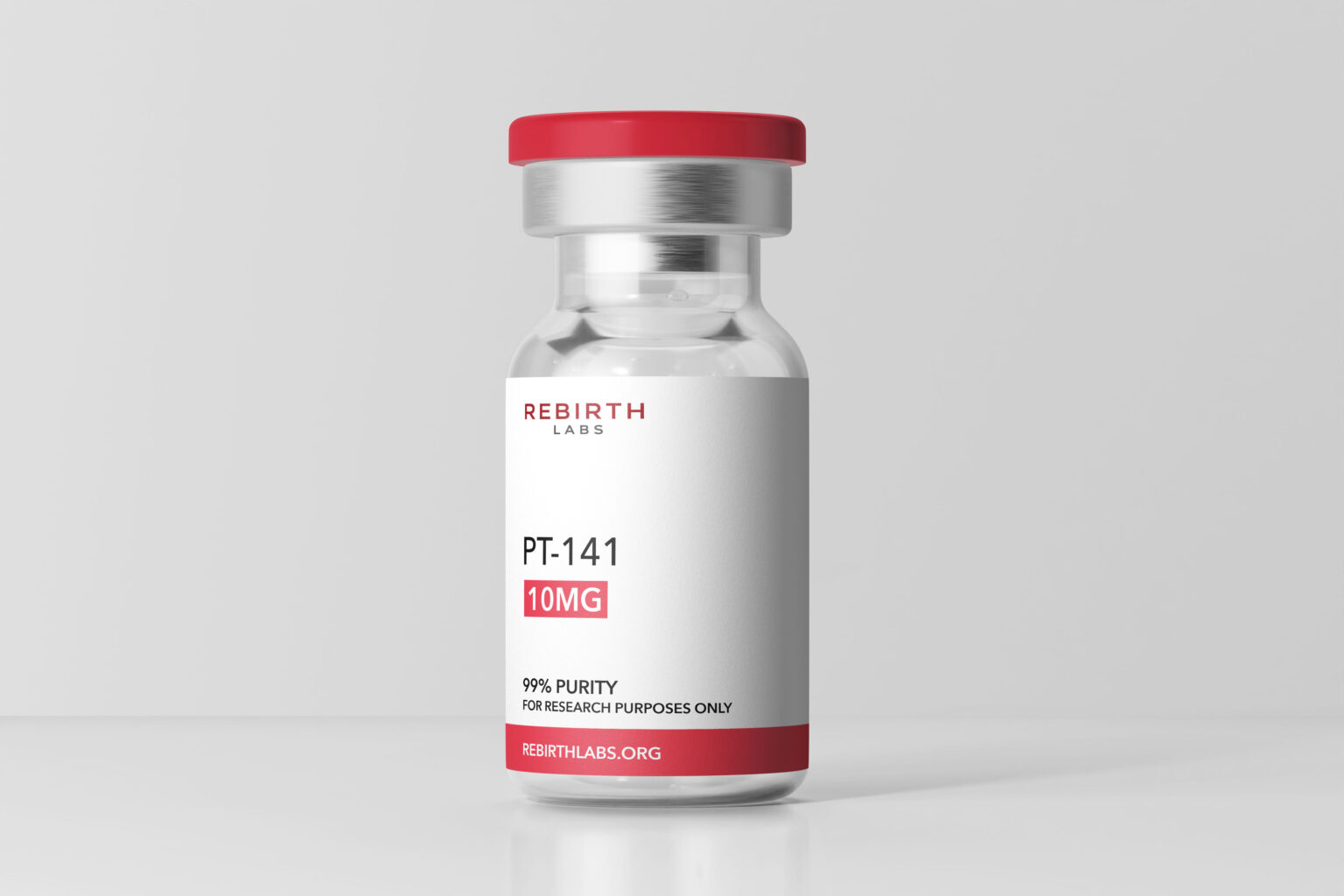

PT-141: Advanced Research Peptide for Arousal Pathways & Neurochemical Signaling | celloralabs.store
PT-141 is a synthetic peptide studied for its unique interaction with central nervous system pathways involved in arousal, motivation, and neurochemical signaling. Unlike compounds that act on peripheral vascular mechanisms, PT-141 is understood to work primarily within the brain, engaging melanocortin receptors that influence behavioral and physiological responses. At celloralabs.store, we focus on providing high-quality, research-grade peptides supported by clear information, responsible positioning, and structured content designed for both scientific exploration and strong search visibility.
What is PT-141?
PT-141, also known as Bremelanotide in clinical contexts, is a melanocortin receptor agonist derived from earlier peptide research. It has attracted attention due to its distinct mechanism of action compared to traditional pathways often associated with similar outcomes. Rather than acting directly on blood flow, PT-141 is studied for its ability to influence signaling in the hypothalamus—an area of the brain involved in hormonal regulation, mood, and behavioral responses.
This central mechanism makes it particularly interesting in research fields exploring the connection between neurological signaling and physiological responses. Its effects are believed to be mediated through melanocortin receptors (primarily MC3R and MC4R), which are involved in appetite, energy balance, and neuroendocrine activity.
How PT-141 Works
Understanding the mechanism of PT-141 requires a closer look at melanocortin biology. The melanocortin system is a complex network of receptors and peptides that regulate multiple physiological functions, including energy homeostasis, pigmentation, and sexual behavior.
Central Nervous System Activity
PT-141 binds to melanocortin receptors in the brain, particularly within the hypothalamus. This interaction triggers a cascade of neurochemical signals that may influence arousal and motivation. Unlike compounds that depend on nitric oxide pathways, PT-141 bypasses peripheral vascular systems and instead works through central neural circuits.
Melanocortin Receptor Activation
Activation of MC3R and MC4R receptors has been associated with behavioral and physiological responses in preclinical models. These receptors play a role in regulating dopamine pathways, which are closely linked to reward and motivation systems.
Dopaminergic Influence
By modulating melanocortin receptors, PT-141 may indirectly influence dopamine release. Dopamine is a key neurotransmitter involved in motivation, pleasure, and goal-directed behavior. This connection is one reason why PT-141 continues to be explored in research settings.
Scientific Background and Research Context
The development of PT-141 stems from earlier work on melanocortin peptides, particularly Melanotan II. Researchers observed that certain analogs produced unexpected behavioral effects, leading to further investigation into their mechanisms.
Clinical and preclinical studies have examined PT-141’s ability to influence central pathways without relying on traditional mechanisms. This has positioned it as a unique compound within peptide research.
For additional scientific context on melanocortin systems, you can explore this external resource:
🔗
Key Research Areas
Neurochemical Signaling
PT-141 is studied for its role in modulating neurotransmitter activity, particularly dopamine. This makes it relevant in research exploring motivation, reward pathways, and behavioral responses.
Endocrine Interactions
The hypothalamus plays a central role in hormonal regulation. By acting within this region, PT-141 may influence neuroendocrine signaling, making it of interest in broader physiological studies.
Behavioral Research
Preclinical models have examined how melanocortin receptor activation affects behavior. PT-141’s mechanism provides a tool for studying these effects in controlled environments.
Silo SEO Structure for celloralabs.store
To maximize search engine visibility and topical authority, PT 141 should be placed within a clear SEO silo structure:
Main Category: Research Peptides
- Subcategory: Melanocortin Peptides
- PT 141 Product Page
- Related Peptides (e.g., Melanotan II)
- Educational Content on Melanocortin System
Supporting Content (Blog/Guides)
- “Understanding Melanocortin Receptors and Their Role in the Body”
- “Central vs Peripheral Mechanisms in Peptide Research”
- “Neurochemical Signaling and Dopamine Pathways Explained”
Internal Linking Strategy
- Link PT-141 page to “Research Peptides” category
- Link to related peptide pages
- Link to educational blog posts
- Use anchor text like:
- melanocortin peptide research
- neurochemical signaling compounds
- advanced research peptides
This silo approach helps search engines understand the relationship between pages, improving rankings and authority.
Why Choose celloralabs.store?
At celloralabs.store, we prioritize quality, consistency, and transparency. Our approach is centered on providing research-grade compounds supported by clear documentation and structured information.
Quality Focus
Each product is handled with attention to purity and consistency, ensuring it meets research expectations.
Research-Oriented Approach
We provide detailed descriptions and structured content to support informed decision-making.
SEO-Driven Content Strategy
Our platform is designed with modern SEO principles, ensuring that content is both user-friendly and search-engine optimized.
Applications in Research Contexts
PT-141 continues to be explored in various research domains:
- Neurochemical signaling studies
- Behavioral and motivation research
- Endocrine system exploration
- Melanocortin receptor analysis
Its unique mechanism makes it a valuable compound for studying central pathways and their effects on physiology.
Content Optimization Strategy
This page is structured to rank effectively by incorporating:
- Clear keyword placement (controlled frequency)
- Long-form, high-quality content
- Logical heading hierarchy (H1, H2, H3)
- Internal and outbound linking
- Topic clustering through silo SEO
Keywords such as research peptides, melanocortin receptors, neurochemical signaling, and central nervous system compounds are naturally integrated to enhance visibility without overuse.
Extended Educational Insight
The Role of the Hypothalamus
The hypothalamus is a critical brain region that regulates hunger, hormones, temperature, and behavioral responses. Compounds like PT 141 are studied for their interaction with this region, providing insight into how central signaling influences the body.
Dopamine and Motivation
Dopamine pathways are essential for understanding motivation and reward. By influencing these pathways indirectly, PT 141 contributes to ongoing research into behavioral neuroscience.
Melanocortin System Complexity
The melanocortin system includes multiple receptors and ligands, each with distinct roles. Research continues to uncover how these components interact, making peptides like PT 141 valuable tools for exploration.
Building Topical Authority
To rank effectively, celloralabs.store should continue expanding content around:
- Peptide research fundamentals
- Receptor biology
- Neurochemical pathways
- Comparative peptide analysis
This creates a strong topical cluster that signals expertise to search engines.
Conclusion
PT-141 represents a unique area of peptide research, offering insight into central nervous system pathways and melanocortin receptor activity. Its distinct mechanism differentiates it from traditional approaches, making it a valuable subject for ongoing scientific exploration.
At celloralabs.store, we are committed to providing high-quality research compounds alongside structured, informative content designed to support both users and search visibility. Through a combination of scientific clarity and SEO strategy, we aim to deliver a platform that meets the evolving needs of modern research-focused audiences.

Reviews
There are no reviews yet.